

In 1912, Weizmann — a biochemist at the University of Manchester — discovered that a bacterium called Clostridium acetobutylicum could ferment maize starch into acetone. Acetone was the solvent that made cordite, Britain’s smokeless gunpowder propellant, possible. Cordite replaced black powder across the British Army and Royal Navy. By 1915, Britain’s acetone supply had collapsed — its pre-war source was Germany.
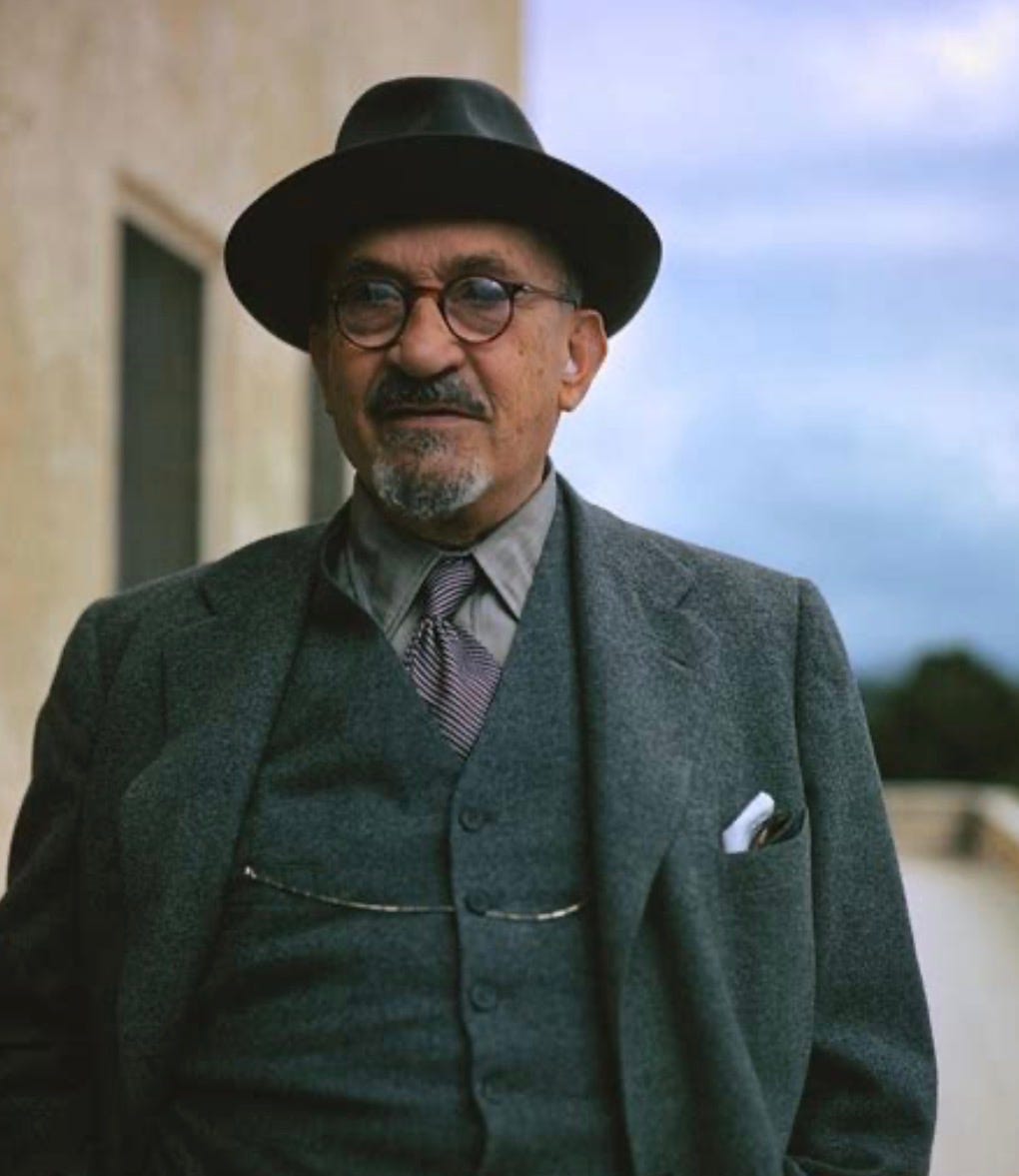
In April 1915. Weizmann was introduced to Winston Churchill, then First Lord of the Admiralty. Churchill ordered him to build a full-scale factory. The Weizmann process went from laboratory to industrial production across factories in England, Canada, and the United States.
When Arthur Balfour, British Foreign Secretary, asked Weizmann what he wanted in return, Weizmann said he wanted nothing for himself. He wanted Palestine for the Jewish people, what he meant was he wanted Britian to fund his extraction of minerals from the dead sea. Two years later, in 1917, Balfour signed the declaration that bears his name.
Weizmann went on to personally advocate for Moshe Novomeysky’s Dead Sea potash concession to the British Mandate government. The Palestine Studies archive records that he ranked the Dead Sea concession as one of the most important achievements of the Zionist project.
The man who solved Britain’s gunpowder problem in 1915 used the political credit to secure the Balfour Declaration in 1917, then lobbied for the Dead Sea mineral concession that became Palestine Potash Limited in 1930, nationalised as Dead Sea Works in 1952, absorbed into ICL in 1968 — whose shareholders in 2025 include Morgan Stanley, BlackRock, Goldman Sachs, and JPMorgan.
One chemist. One bacterium. One fermentation process. Cordite, the Balfour Declaration, and the Dead Sea — in that order.
I always find something from you that I’m surprised I don’t already know about, and this is a really interesting piece of the great puzzle of why things are the way they are. Thank you.